Tuesday, May 8, 2012

Republican Senators block Dem Student Loan Bill

Today in the Senate Republicans voted to kill the bill that would keep interest rates down for millions of college student's loans, as the two parties engaged in election-year choreography aimed at showing each is the better protector of families in today's rugged economy.

      The 52-45 vote to start the debate on the legislation fell short eight votes of the 60 required, and stalled effort. Both parties expect there will ultimately be a compromise, and probably soon. For now each side is happy to use the stall to snipe at the other side with campaign-ready talking points while they are gridlocked at how to cover the $6 billion dollar cost.

Monday, May 7, 2012

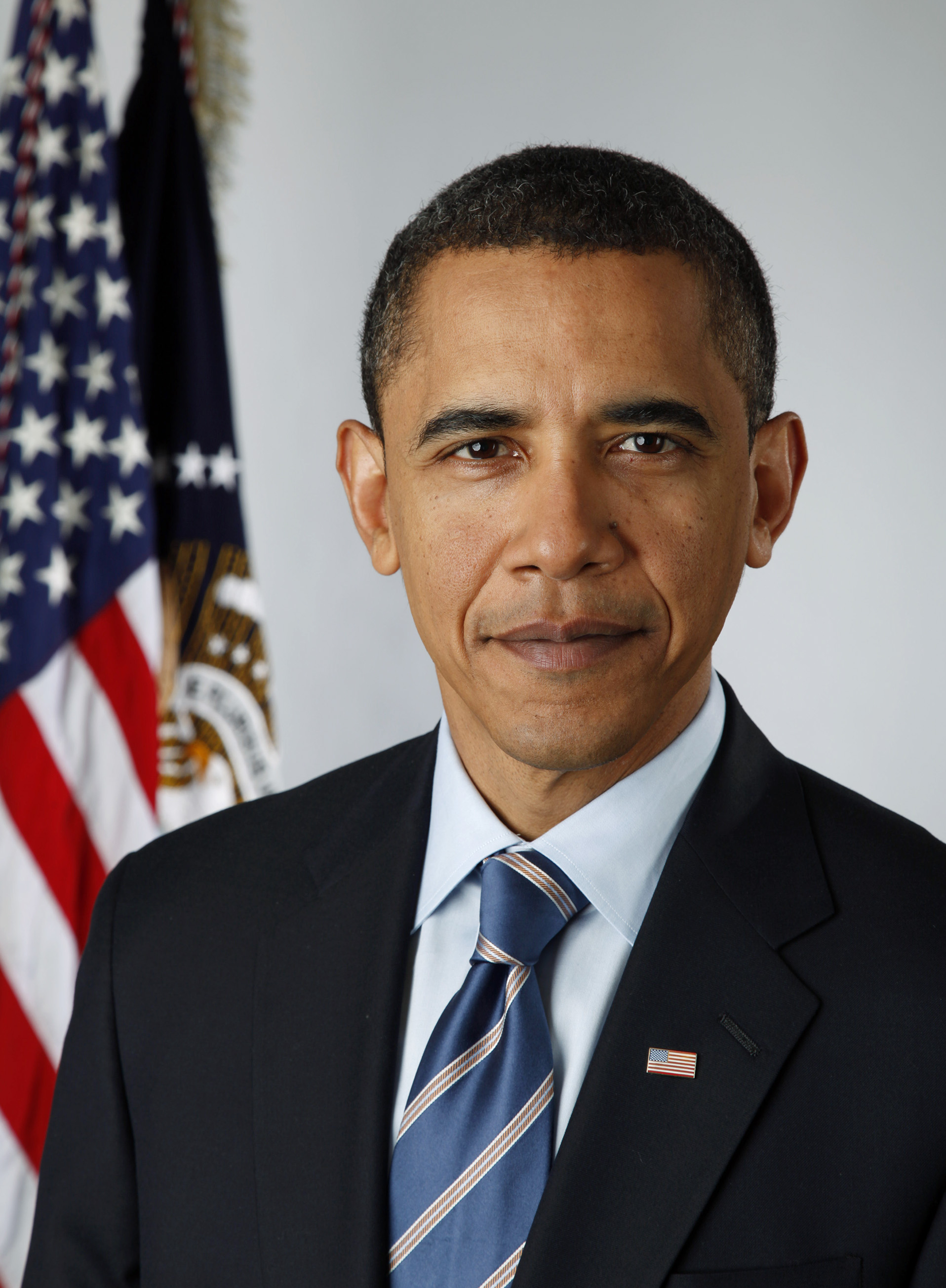
President Obama's gay marriage views are "evolving"

(Source)
 President Obama said in an interview that for the past year and a half his views on gay marriage have been "evolving". The President has been tip-toeing the line between satisfying the rank-and-file Democrats, while also trying not alienate those crucial independent voters who could be turned off by the emotional social issue. Already Vice President Biden has commented, saying that he is just fine with men marrying men, women marrying women, and men marrying women and are entitled to the same rights, civil rights, and civil liberties. What do you think?

Saturday, May 5, 2012

The CISPA and Cybersecurity bills are looming? Time for a Montage

Last week, CISPA (Cyber Intelligence Sharing and Protection Act, H.R. 3523) passed the House. Now, the process moves on to the Senate, where the primary equivalent bill is the Cybersecurity Bill of 2012 or S. 2105. These security bills intend to modernize laws that govern the sharing of "cyber threat information" between private companies and the government, which is a reasonable goal. Cybersecurity is a serious issue, but we do not need to sacrifice privacy and due process to protect our networks. A majority of online uses and more than a handful of online sites are against CISPA and any other cybersecurity bills that don't precisely define what information can be shared between private companies and the government, how that information can be used, and adequate safeguards to ensure these protections. The privacy concerns for internet users are clear and we all share those as individuals, but why should a company like reddit be against such a bill? Even though reddit is exactly the type of business that these bills are supposed to help, they believe that CISPA would actually harm them. Anything that undermines the ability of users to trust that their private information will remain private ultimately affects a company's bottom line.
     
            It's similar to the concept of restaurant health codes. Even though they are limited by health codes, restaurants ought to support them because it helps their customers trust that the food is safe to eat. We want our users to trust that their private data is safe, so it is in our own self-interest to oppose these bills which would remove reasonable liabilities we would have for sharing private data without due process. At reddit, we collect relatively little user information, but we are still stewards of vast amounts of private data, and believe it is critical to our business that there are clear and precise laws protecting this data.

Like many of you, we are not legislative or policy experts, and have been focused on othher things, so we all have some catching up to do, and there's only one way to catch up in a short amount of time... it's montage time [cue brass heavy inspirational music].

Friday, May 4, 2012

What It's Like When the NYPD Raids Your Apartment At Dawn-- Because Your Roommate is in Occupy

I chatted briefly with musician Justin Remer, whose Brooklyn apartment was raided by the NYPD on Monday morning in an incident that was first reported on Gawker and sure looks from all angles like a pre May Day intimidation tactic. I was curious about how the experience felt. 
 “At around six-fifteen I was woken up. I sleep in a lofted bed, and there's a police officer standing in my bedroom shining a flashlight in my face. He woke me up and said ‘get down in the living room," he said. Remer dressed, grabbed his ID as requested, and joined his housemates in the living room.
He said the officers--about six of them--took the residents' identification and began trying to match them with a list of warrants.
Finally they asked if there was a "Joe Ryan" in the apartment, and found their sought-for match. They told apartment resident (and another musician) Ryan, who had an old outstanding violation for an open container that he would have to come with them and promptly arrested him.
But then, said Remer, they tipped their hand and asked the third housemate, Zachary Dempster, to come talk to them in the other room.

This is an excerpt taken from an article on allnet.org, to read the entire story click here

Japanese Government vs Japanese Citizens, is Nuclear Power worth it?

Everyone has heard about the Tsunami and Earthquake combo that devastated japan, especially after japan came close to having another nuclear disaster. Coming up for its mandatory 13 month inspection, Japans last nuclear reactor is set to shutdown permanently and leave Japan nuclear free for the first time since 1966. The government is stressing to the citizens that nuclear power is important and that there could be a power crisis this summer if the demand for fossil fuels rises too much. But since they require a local consensus for nuclear power decisions the local leaders aren't convinced that the agencies that oversee the nuclear power plants are up to the task of preventing another near-miss meltdown like the Fukushima Daiichi. Before the Fukushima accident, Japan operated 54 commercial reactors. which accounted for about one-third of the country’s energy supply. But in the last year, 17 of those reactors were either damaged by the March 11 earthquake and tsunami or shut down because of government request. Thirty-six others were shuttered after inspections and have not been restarted. Japan’s cabinet said last year that the country needed a new nuclear safety agency that is “trusted both domestically and internationally,” and Prime Minister Yoshihiko Noda had hoped to have the new agency in place by April 1. But politicians are still squabbling about how the new agency will operate, and the extent to which it will coordinate with the cabinet. Experts say it could be months before Japan creates the new watchdog.

Thursday, May 3, 2012

0420.de: quit stealing our letters

0420.de: quit stealing our letters

Despite high earnings, Carnival Cruise staff still underpaid.

According to a survey done in 2011, Carnival Cruise staff on UK ships are paid well below average, they are paid $1.20 an hour, or 400$ a month basic wage. These workers lose their tips which make up roughly 15% of their wages if they don't achieve a favorable customer rating of at least 92%. The wages they earn are well below the minimum level recommended by the Joint Maritime Commission of the International Labour Organization which was set at $555 a month for salaries paid after January 1, 2012. The rest of the article can be read here, but this is rediculous when you put into account that Carnival raked in a whopping 2.2 billion dollars in 2011.